

Klorane Champú Extra Suave De Avena 200Ml
€ 11,36 incl. VAT
Disposable Razorgillette Blue II Plus Slalom 5 Units
€ 5,67 incl. VAT

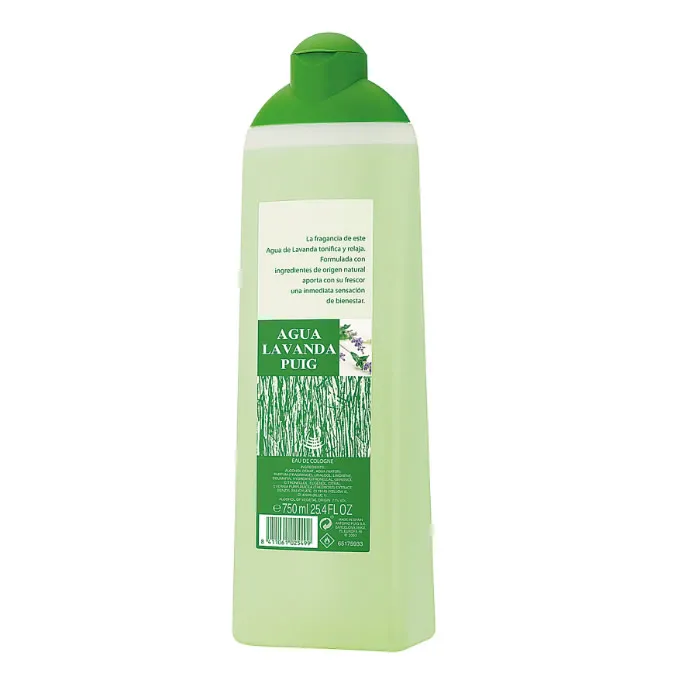
Puig Agua Lavender Eau de Cologne 750ml
€ 10,03 incl. VAT
105 in stock
Description
Capacity: 750 ml Gender: Unisex Type: EDC (Eau de Cologne) Fragrance Name: Agua Lavanda Let the 100% original Unisex Perfume Agua Lavanda EDC (750.
About brand
Puig is a third-generation, family-owned Spanish premium beauty and fashion company headquartered in Barcelona. Founded in 1914 by Antonio Puig Castelló, the company has grown from a regional business into a global "Home of Love Brands" that operates in more than 150 countries. As of 2024, Puig is a publicly-traded company listed on the Spanish Stock Exchange and is a member of the IBEX 35 index, though the Puig family maintains over 90% of the voting rights.
Core Business Segments
Puig operates across three primary business segments, with its strongest performance traditionally in fragrances:
Fragrance and Fashion (73.5% of net sales):
This segment includes perfumes, eau de parfums, clothing, and accessories. Key owned brands include Rabanne, Carolina Herrera, Jean Paul Gaultier, and Nina Ricci. It also holds major licenses for brands like Christian Louboutin, Adolfo Dominguez, and Banderas.
Makeup (15.8% of net sales):
This segment features brands such as Charlotte Tilbury (in which Puig holds a majority stake), Rabanne, Byredo, and Christian Louboutin.
Skincare (10.7% of net sales):
Puig has expanded rapidly in this category through acquisitions, including Dr. Barbara Sturm (2024), Uriage, Apivita, Kama Ayurveda, and Loto del Sur.
Regional Sales Distribution:
Europe/Middle East/Africa (54.7%), Americas (35.8%), and Asia/Pacific (9.5%).
Global Presence and Infrastructure
Puig maintains a robust global infrastructure to support its distribution and manufacturing:
Offices and Employees:
Direct presence in 32 countries and more than 12,000 employees worldwide.
Manufacturing:
Operates seven production facilities located in Spain (2), France (3), Greece (1), and India (1).
Retail:
Products are sold through over 300 directly-owned stores, as well as department stores, pharmacies, and digital channels.
Strategic Vision and ESG Commitments
Puig is committed to an ESG Agenda (environmental, social, and governance) aligned with UN Sustainable Development Goals.
Climate Goals:
Aims to reach net-zero emissions by 2050.
Sustainability Progress:
As of 2023, the company achieved a 30% reduction in carbon emissions compared to 2020 and set a goal to reduce plastic usage in packaging by 50% by 2025.
Social Responsibility:
Emphasizes diversity and inclusion, with 49% of managerial positions held by women as of 2024.
Authenticity
Related products
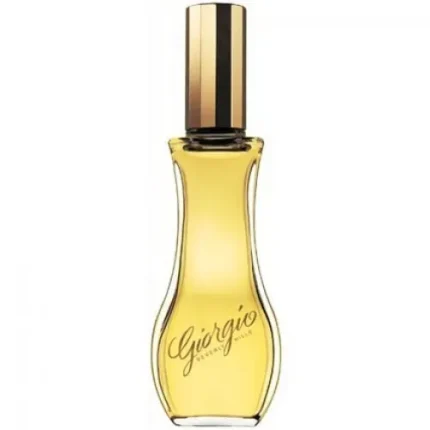
Giorgio Eau de Toilette Spray Yellow – 3 Oz.
€ 24,19 incl. VAT
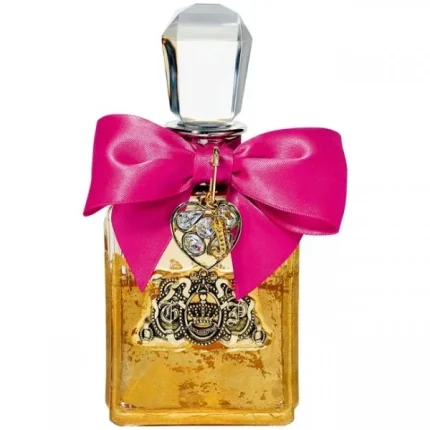
Juicy Couture Viva La Juicy Eau de Parfum Spray 100ml
€ 62,79 incl. VAT
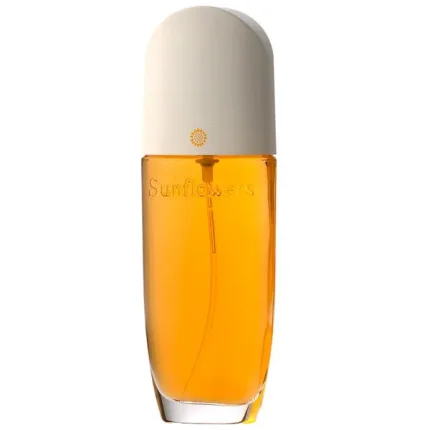
Elizabeth Arden Sunflowers Eau de Toilette Spray 30ml
€ 10,51 incl. VAT
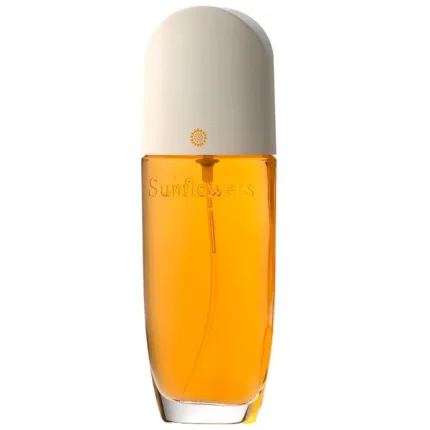
Elizabeth Arden Sunflowers Eau de Toilette Spray 100ml
€ 14,39 incl. VAT
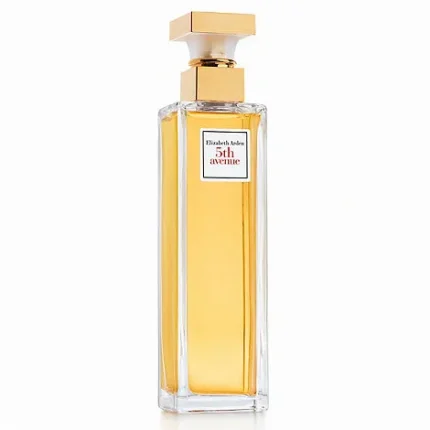
Elizabeth Arden 5th Avenue Eau de Parfum Spray 75ml
€ 21,40 incl. VAT
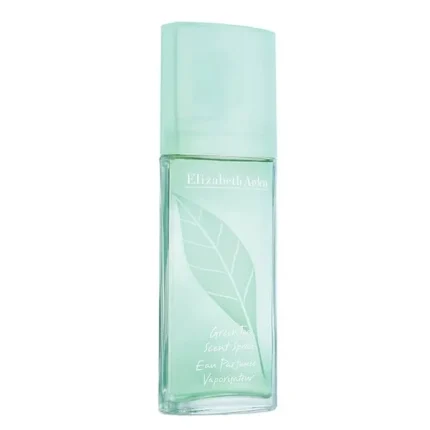
Elizabeth Ardengreen Tea Eau Parfumée Spray 100ml
€ 15,60 incl. VAT

Provocative Eau de Parfum Spray
€ 23,95 incl. VAT
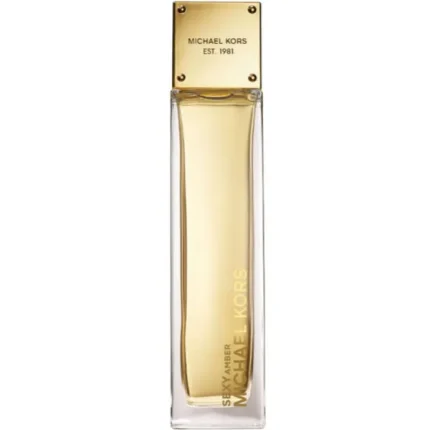
Michael Kors Sexy Amber Eau de Parfum Spray 100ml
€ 40,28 incl. VAT