Teva Pharmaceutical Industries Ltd. (Teva) is an Israeli multinational biopharmaceutical company and the largest generic drug manufacturer in the world. Headquartered in Tel Aviv, Teva operates across the full spectrum of the pharmaceutical industry, from developing innovative and specialty medicines to producing a massive portfolio of generic drugs and active pharmaceutical ingredients (APIs).
Core Business and Products
Teva manages a portfolio of more than 3,600 products, serving approximately 200 million people globally every day.
Generic Medicines:
Teva is a global leader in generics, providing affordable versions of essential medicines across almost every therapeutic area.
Specialty/Innovative Medicines:
The company develops proprietary treatments for complex conditions, with key products including:
– Austedo (deutetrabenazine) for Huntington’s disease chorea and tardive dyskinesia.
– Ajovy (fremanezumab) for migraine prevention.
– Copaxone for relapsing forms of multiple sclerosis (formerly the world’s best-selling MS drug).
– Uzedy for the treatment of schizophrenia.
Biosimilars:
Teva is expanding its presence in the biosimilars market, with recent approvals for products like Ponlimsi and Degevma (denosumab biosimilars).
Active Pharmaceutical Ingredients (API):
Teva Active Pharmaceutical Ingredients (TAPI) operates as a stand-alone business unit, producing over 350 APIs for internal use and sale to third parties.
Over-the-Counter (OTC):
Teva offers several OTC brands, including Sudocrem, NasenDuo, and Olfen Max.
Operational Infrastructure
Teva maintains one of the largest and most complex supply chains in the industry.
Manufacturing:
The company operates 53 manufacturing sites across 33 countries, producing approximately 76 billion tablets and capsules annually.
Research & Development:
Teva has 25 R&D centers focused on both generic improvements and innovative drug discovery.
Workforce:
Approximately 37,000 employees work across 57–60 markets worldwide.
Regional Segments:
The business is organized into three geographic segments: North America, Europe, and International Markets.
Historical Background
Founded in 1901 in Jerusalem as S.L.E. (Salomon, Levin, and Elstein Ltd.), the company began as a small wholesale drug business using camels for deliveries.
1976:
Several Israeli pharmaceutical companies merged to form Teva Pharmaceutical Industries Ltd.
1980s Expansion:
Teva entered the US market following the Hatch-Waxman Act, which simplified generic drug approvals.
Major Acquisitions:
The company grew through multi-billion dollar acquisitions, including Ivax ($7.4B, 2006), Barr Pharmaceuticals ($7.5B, 2008), Ratiopharm ($5B, 2010), and Allergan’s generics business ($40.5B, 2016).
Strategic Direction and Issues
In 2023, Teva announced a new corporate strategy to reallocate resources from some generics toward innovative medicines, focusing on high-value products.
Ethics and Legal Record:
Teva has faced significant legal challenges, including a $450 million settlement in 2024 to resolve False Claims Act allegations related to kickbacks for Copaxone. In 2023, it paid the largest fine to date for a domestic antitrust cartel in a US price-fixing investigation.
Sustainability:
The company has set public access-to-medicine targets, including a goal to increase regulatory submissions in lower-middle income countries (LMICs) by 150% by 2025.
Showing all 13 resultsSorted by popularity
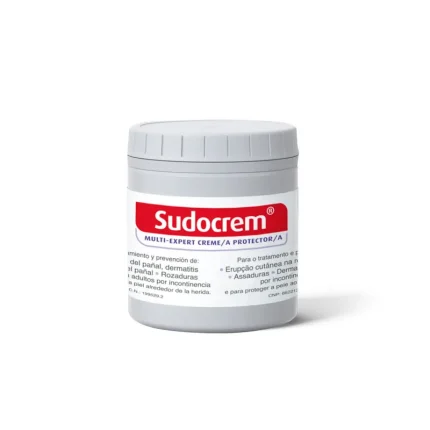
Sudocrem Cream Protectora Pieles Irritadas 125gr

Sudocrem Cream Protectora Pieles Irritadas 60gr
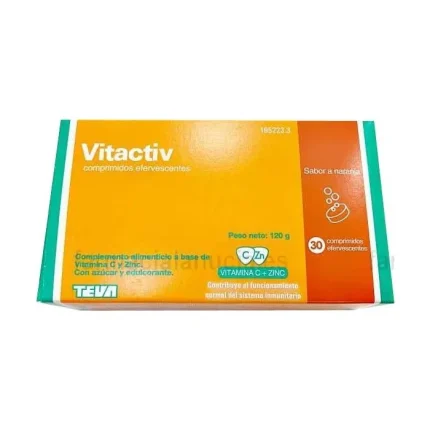
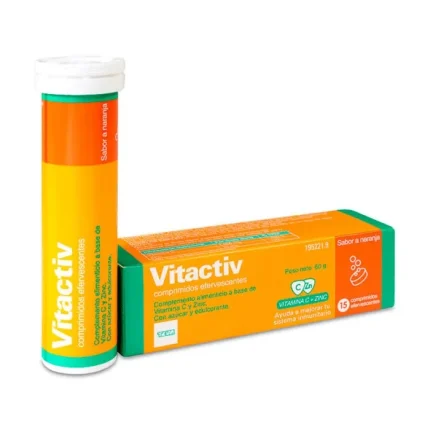
Vitactiv 15 Tablets Efervescentes
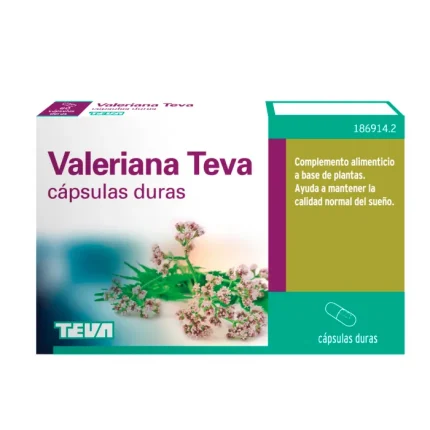
Teva Valeriana 60 Cpsulas Duras
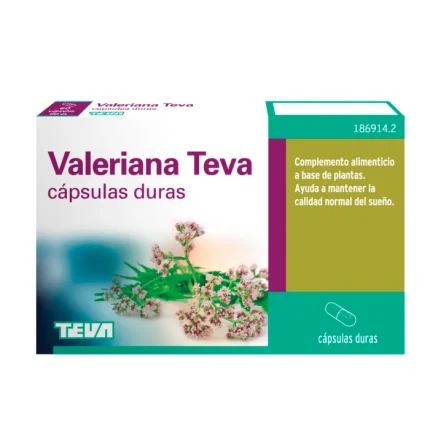
Teva Valeriana 30 Cpsulas Duras
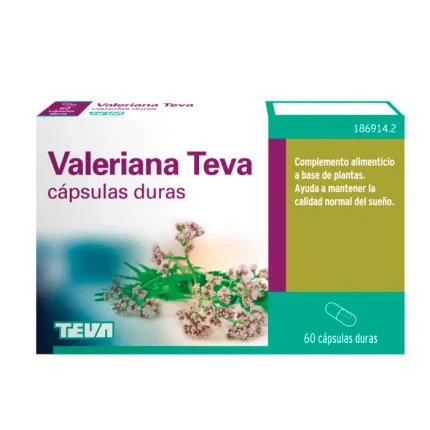
Teva Valerian Forte 30 Capsules
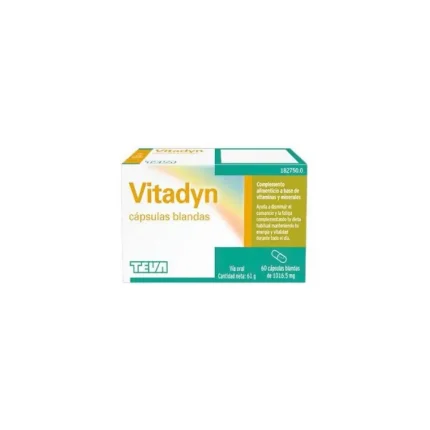
Teva Vitadyn 60 Capsules
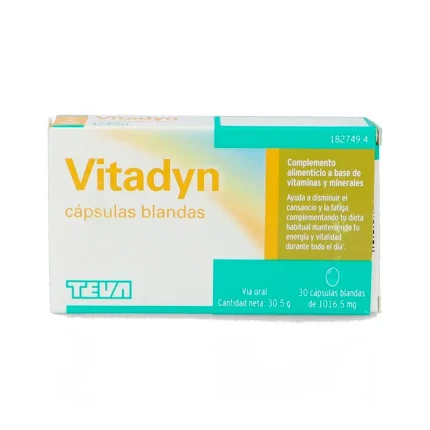
Vitadyn Cápsulas Blandas
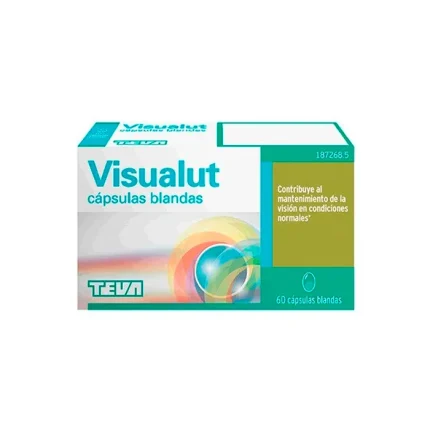
Visualut 60 Cápsulas Blandas
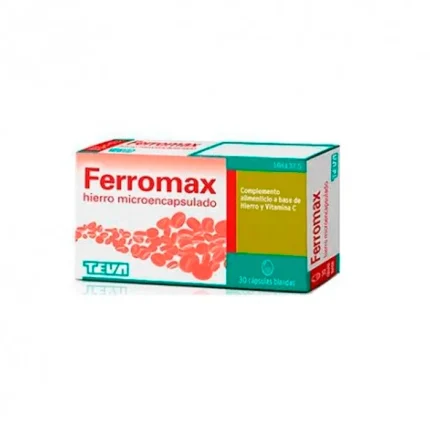
Teva Ferromax Iron Microencapsulado 30 Cpsulas
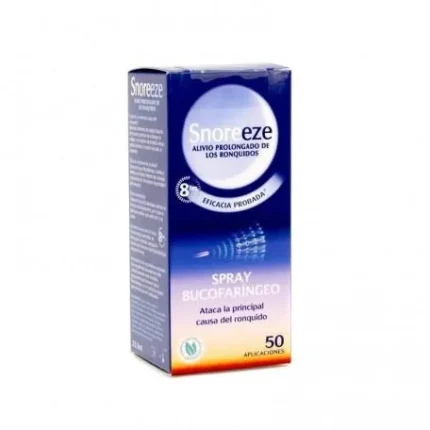
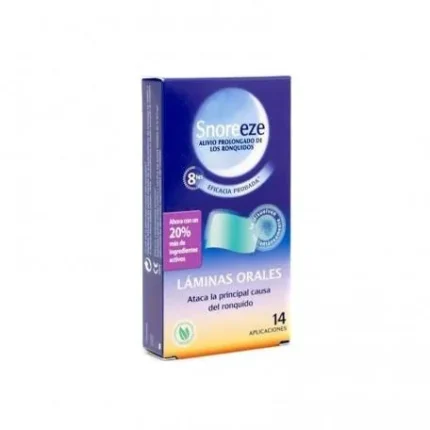
Snoreeze Spray Bucofar Prim 23,5ml