STIEFEL
Company Overview
STIEFEL is a global leader in dermatological products, dedicated to advancing the science of skin health and providing effective solutions for skin conditions. Recognized for its commitment to quality and innovation, STIEFEL offers a range of dermatological products tailored for both healthcare professionals and consumers. With an extensive portfolio that includes prescription medications, over-the-counter (OTC) products, and skincare solutions, STIEFEL aims to enhance the lives of individuals dealing with various skin issues.
History
Founded in 1847, STIEFEL began as a small family-owned pharmacy in Germany. Over the decades, the company expanded its operations and product offerings, becoming a pioneer in dermatological research and formulation. By the mid-20th century, STIEFEL had established itself as a trusted name in skin health, leading to a series of innovative product launches. The company grew significantly through strategic mergers and acquisitions, including its integration into the GlaxoSmithKline group in 2009, which further enhanced its reach and capabilities in the global market.
Product Range
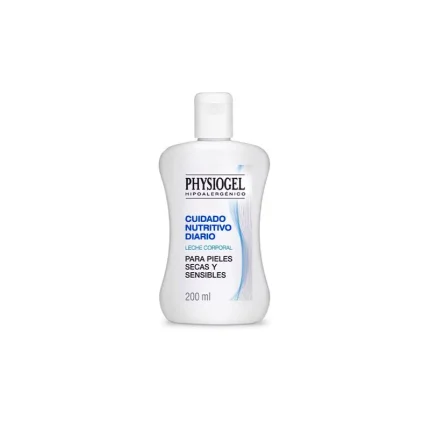
STIEFEL’s product range is extensive, catering to various skin conditions such as acne, eczema, psoriasis, and more. Their offerings include:
- Prescription dermatological medications
- OTC skincare products
- Moisturizers
- Sunscreens
- Cleansers and exfoliators
- Specialized treatments for specific skin issues
Each product is developed with a keen understanding of dermatological needs, supported by scientific research and clinical studies.
Innovation and Technology
STIEFEL invests heavily in research and development, incorporating the latest advancements in dermatological science. The company employs cutting-edge technology to create formulations that enhance skin absorption and efficacy. Collaborations with dermatologists and research institutions ensure that their products are based on sound scientific principles, leading to innovative therapies that address complex skin conditions.
Market Presence
With a robust global footprint, STIEFEL operates in multiple countries across various continents, making its products accessible to a diverse customer base. The brand is well-regarded by healthcare professionals, garnering trust and loyalty through their quality and effectiveness. STIEFEL often participates in international dermatology conferences and exhibitions, strengthening its presence in the medical community and promoting awareness about skin health.
Commitment
STIEFEL is dedicated to improving skin health and overall quality of life for individuals with skin conditions. The company upholds high standards in product quality and safety, ensuring that all formulations undergo rigorous testing. Their commitment extends beyond products, as STIEFEL participates in educational initiatives aimed at informing healthcare providers and patients about the best practices for skin care and treatment.
Sustainability Efforts
Recognizing the importance of environmental responsibility, STIEFEL incorporates sustainable practices in its operations. The company prioritizes eco-friendly ingredients, responsible sourcing, and waste reduction in its manufacturing processes. STIEFEL is also focused on minimizing its carbon footprint and exploring biodegradable packaging options to further support sustainability in the beauty and healthcare industries.
Conclusion
STIEFEL stands as a testament to innovation, quality, and care in the field of dermatology. With a long history of expertise, a commitment to research and development, and a strong focus on sustainability, the brand has positioned itself as a trusted partner for individuals seeking effective solutions for their skin health needs. As it continues to evolve, STIEFEL remains dedicated to enhancing the lives of those affected by skin conditions worldwide.
Showing all 4 results