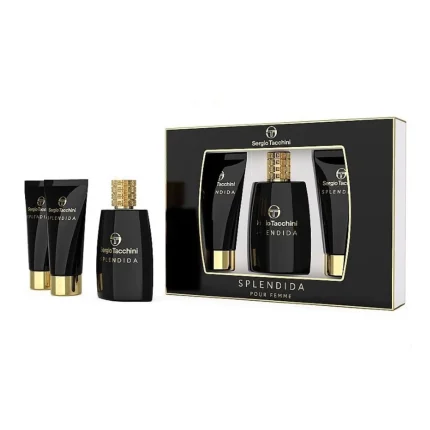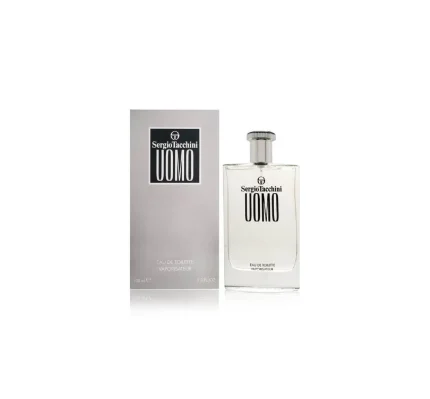

SERGIO TACCHINI
Company Overview
Sergio Tacchini is an internationally recognized Italian lifestyle brand, renowned for its stylish sportswear and high-quality athletic apparel. Established as a leader in the tennis and sports fashion segments, the brand embodies a blend of Italian flair and functionality. Sergio Tacchini offers a wide range of clothing, footwear, and accessories designed for both on-court performance and off-court leisure. The brand is synonymous with vibrant designs and the spirit of sports, appealing to athletes and fashion enthusiasts alike.
History
Founded in 1966 by the Italian tennis player Sergio Tacchini, the brand initially focused on creating custom apparel for professional players. Having gained prominence through its innovative designs and high-performance materials, the brand quickly became a favorite among tennis stars in the 70s and 80s. Sergio Tacchini played a significant role in the evolution of sportswear, merging functional textiles with aesthetic appeal. The brand reached its peak popularity with endorsements from renowned athletes, contributing to its establishment as a leading sportswear label globally. Over the years, Tacchini expanded its product line beyond tennis, embracing a broader lifestyle and leisure market.
Product Range
The product range of Sergio Tacchini includes a vast assortment of athletic wear, casual clothing, and footwear designed for various sports and leisure activities. Key product categories include:
- Tennis apparel featuring moisture-wicking fabrics and ergonomic designs.
- Casual sportswear, including tracksuits, polo shirts, and shorts.
- Footwear designed for comfort and performance, suitable for both sports and everyday wear.
- Accessories such as bags, caps, and socks that complement the overall brand aesthetic.
Innovation and Technology
Sergio Tacchini is committed to integrating innovative technology into its apparel to enhance performance and comfort. The brand utilizes advanced materials that provide moisture management, breathability, and flexibility, ensuring that athletes can perform at their best. Additionally, Sergio Tacchini incorporates cutting-edge design techniques to create ergonomic fits that support a wide range of movements, vital for both professional athletes and casual wearers.
Market Presence
With a strong international presence, Sergio Tacchini has established itself in various markets across Europe, Asia, and the Americas. The brand has a significant following due to its unique blend of sports and fashion, appealing to a diverse customer base that includes athletes, casual sports enthusiasts, and fashion-forward individuals. Its strategic partnerships and collaborations further enhance its market reach, positioning Sergio Tacchini as a sought-after brand in the competitive sportswear landscape.
Commitment
Sergio Tacchini is dedicated to providing high-quality products that enhance athletic performance while maintaining a strong connection to its Italian heritage. The brand emphasizes value in craftsmanship, ensuring that each piece not only meets the standards of professional athletes but also resonates with customers looking for stylish and functional sportswear. This commitment to excellence is reflected in the brand’s attention to detail and pursuit of customer satisfaction.
Sustainability Efforts
In recent years, Sergio Tacchini has recognized the importance of sustainability in fashion and is actively working towards reducing its environmental impact. The brand explores sustainable materials and ethical manufacturing practices, focusing on minimizing waste through efficient production processes. Sergio Tacchini aims to create environmentally friendly products without compromising quality or style, reflecting a growing commitment to sustainability in the modern fashion industry.
Conclusion
Overall, Sergio Tacchini represents a unique intersection of sports performance and Italian fashion. With a rich history, a commitment to innovation, and a growing focus on sustainability, the brand continues to engage a global audience. Through its stylish offerings, Sergio Tacchini not only supports athletes in their pursuits but also caters to a lifestyle marked by comfort, functionality, and aesthetic appeal.
Showing all 3 results