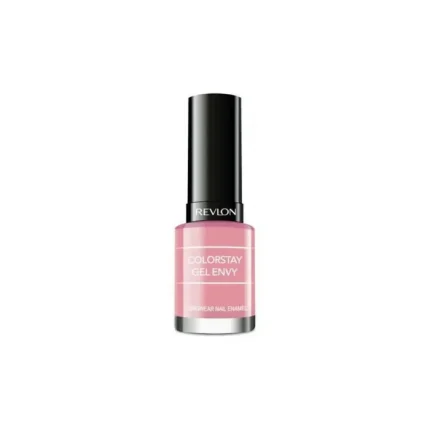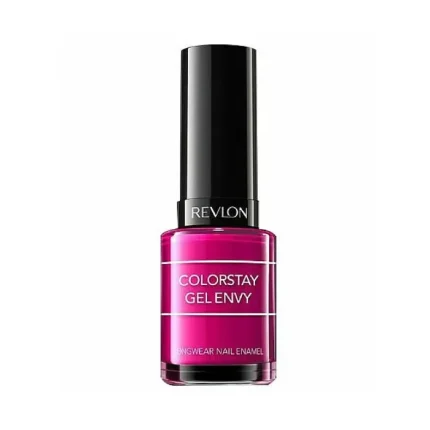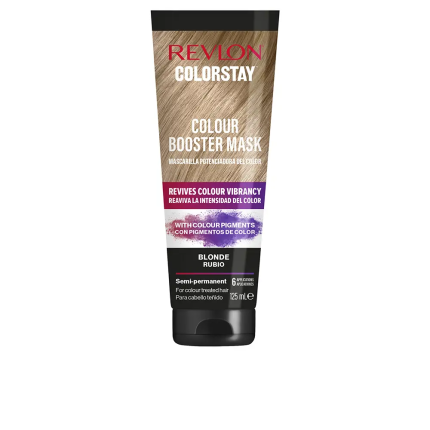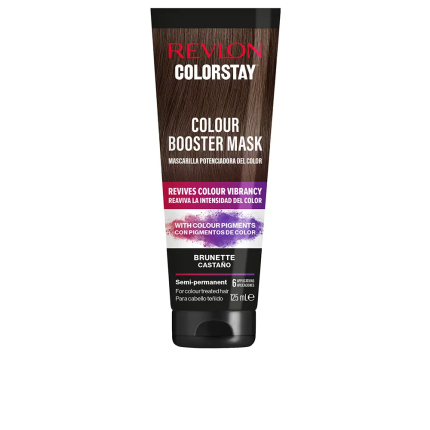

REVLON
Revlon, Inc. is a global cosmetic, skin care, fragrance, and personal care company that has made its mark as a leading player in the beauty and personal care industry. Founded with the mission of helping individuals express themselves through beauty, Revlon provides a wide array of products designed to enhance appearance and boost confidence. With a focus on innovation and quality, Revlon has cultivated a loyal consumer base and continues to evolve to meet the dynamic needs of the market.
History
Revlon was founded in 1932 by Charles Revson, his brother Joseph Revson, and a friend, Charles Lachman. Initially starting as a nail polish company, Revlon quickly made a name for itself with innovative formulations and bold marketing strategies. The 1940s marked a significant turning point for the brand, as they introduced a lipstick line that became immensely popular during World War II. Over the decades, Revlon expanded its product offerings and ventured into various categories, becoming synonymous with quality makeup and beauty products. The company became publicly traded in 1955, further increasing its reach and consumer recognition.
Product Range
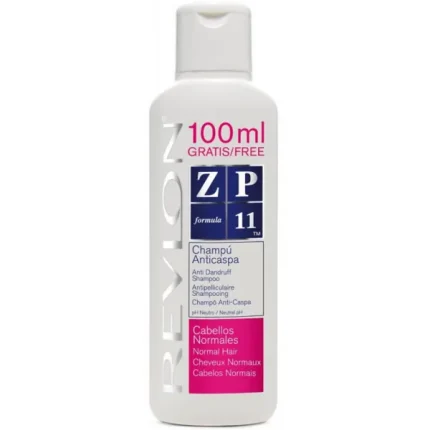
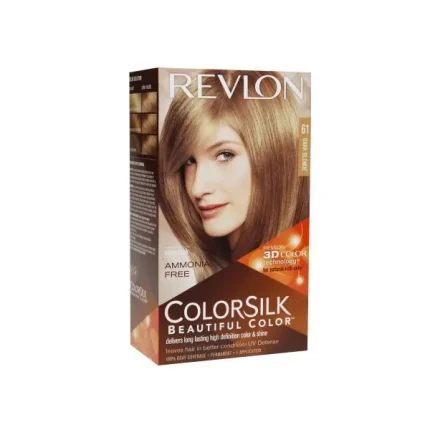
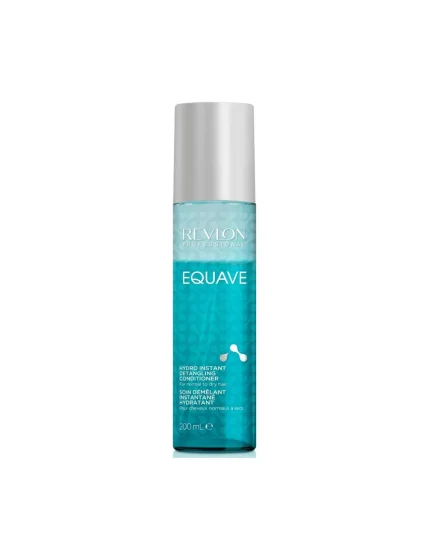
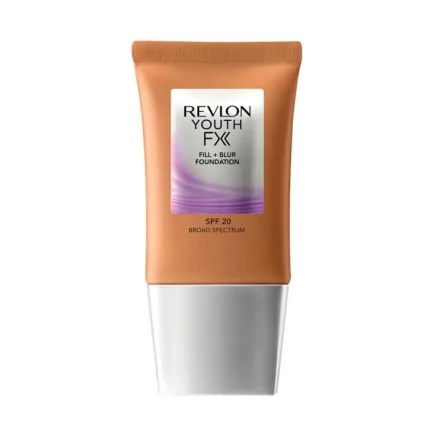
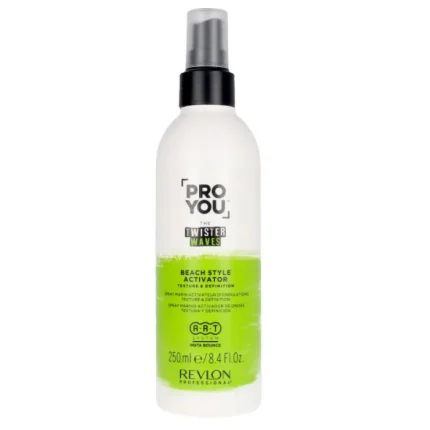
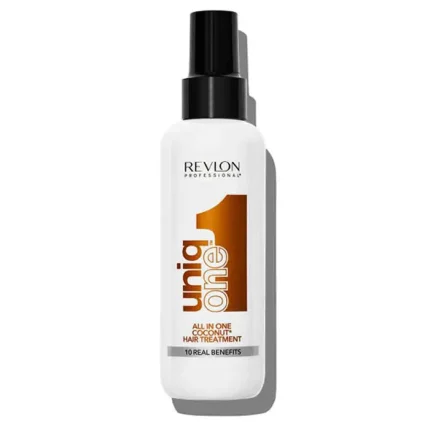
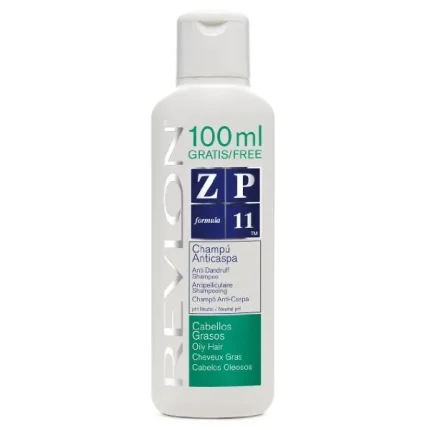
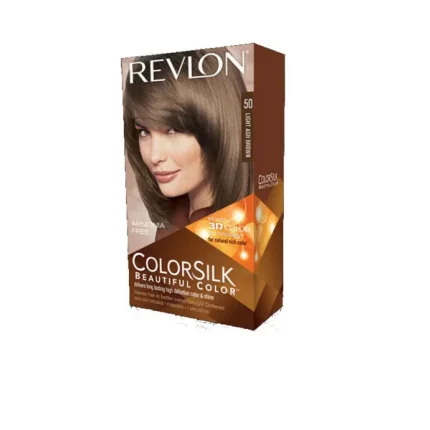
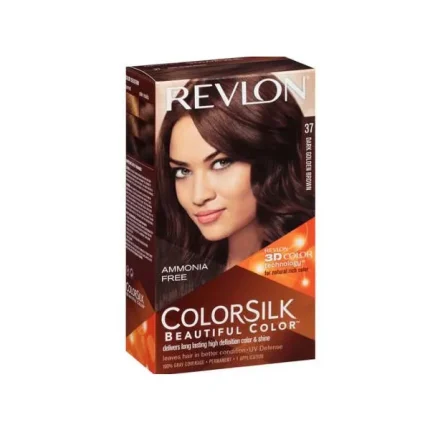
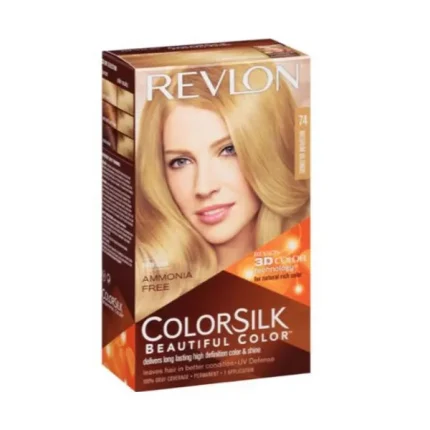
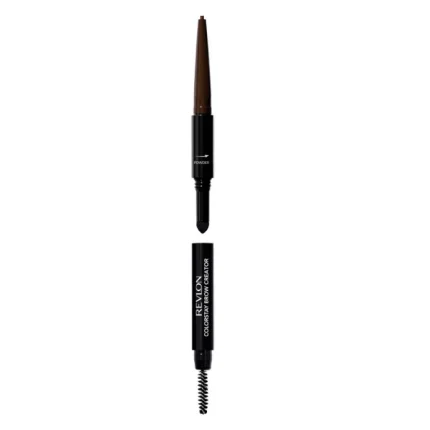
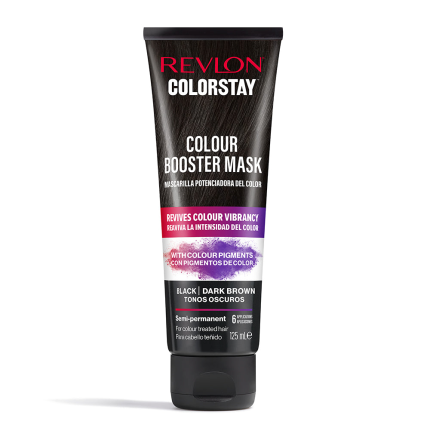
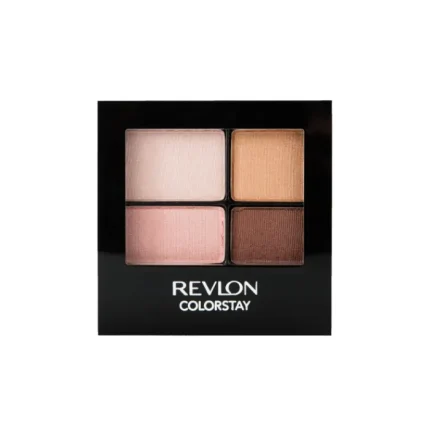
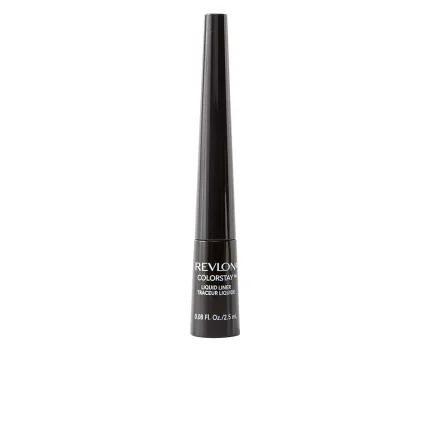
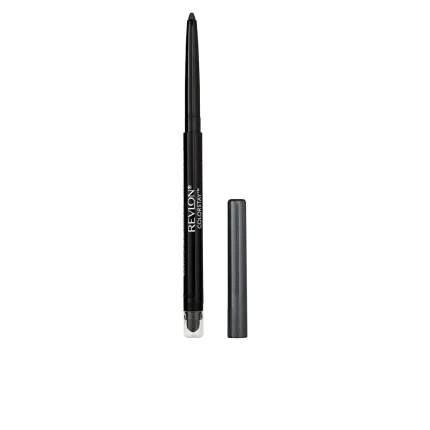
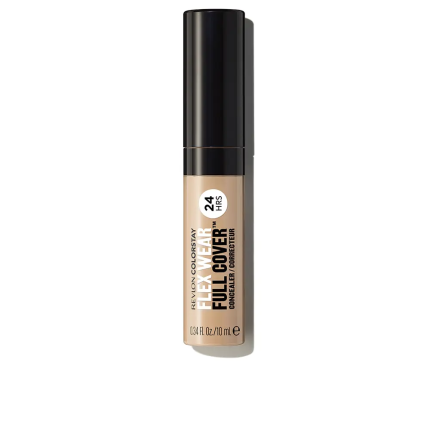
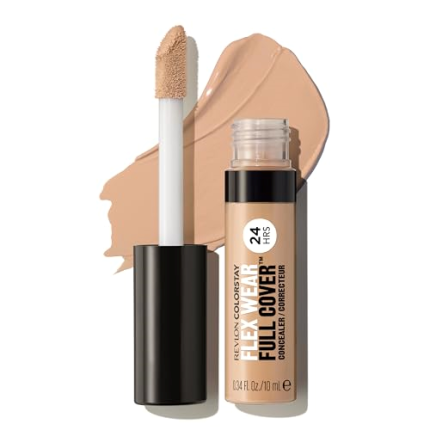
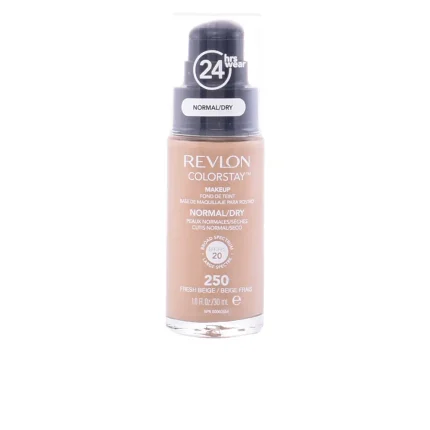
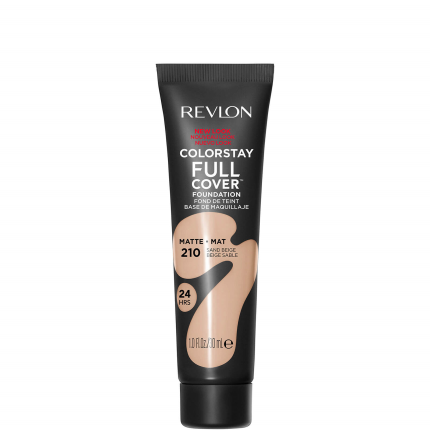
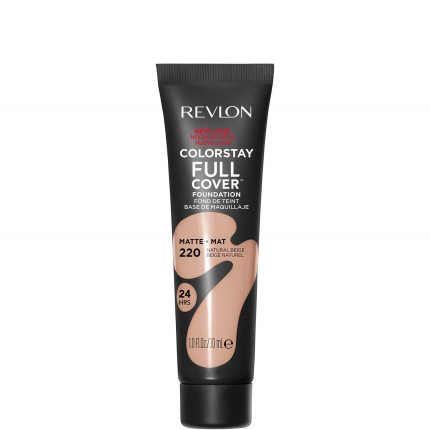
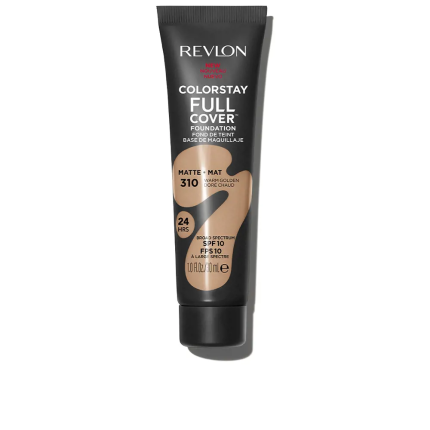
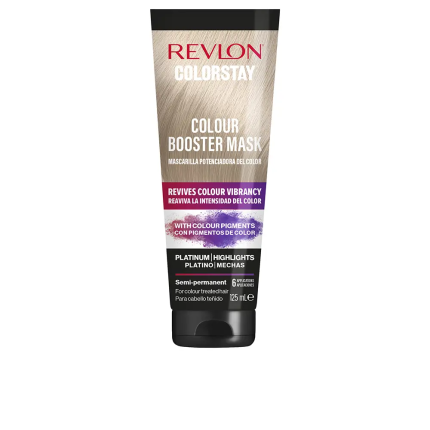
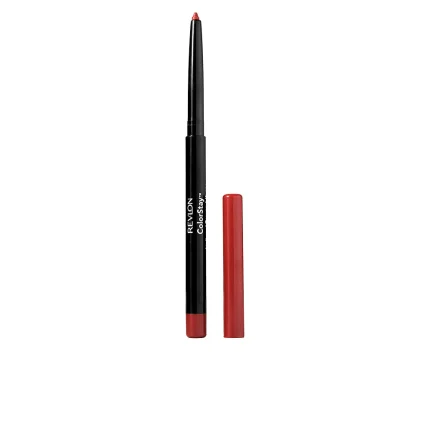
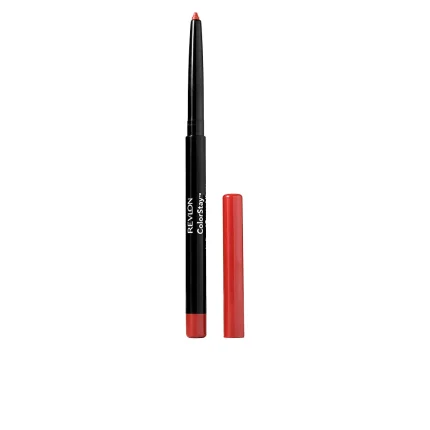
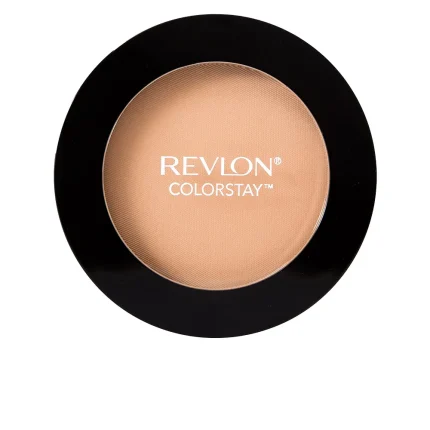
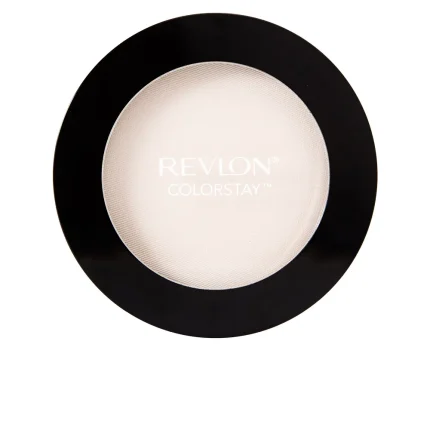
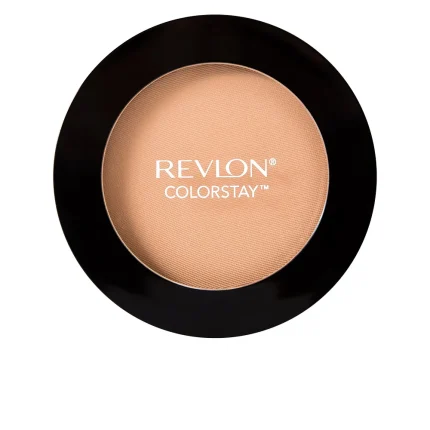
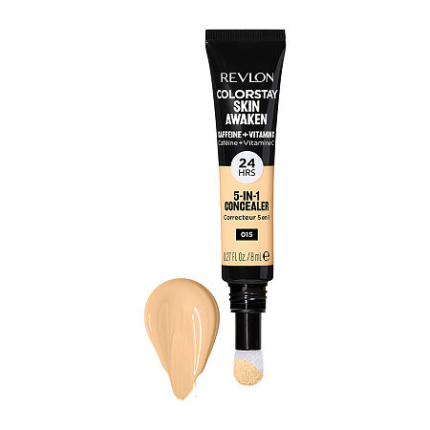
Revlon offers a diverse range of products, including makeup, skincare, fragrance, hair care, and beauty tools. Their makeup line includes foundations, lipsticks, mascaras, and eye shadows, catering to a wide spectrum of skin tones and consumer preferences. In skin care, Revlon provides moisturizers, serums, and sunscreens, while the fragrance range features an array of perfumes and colognes for various occasions. Revlon’s hair care section includes shampoos, conditioners, and styling products designed for different hair types.
Innovation and Technology
Revlon is committed to innovation and regularly invests in research and development to bring cutting-edge products to market. The company utilizes advanced technologies and follows beauty trends to create unique formulations that offer both quality and effectiveness. Revlon has also embraced digital advancements in its marketing strategies, leveraging social media and e-commerce to reach customers in innovative ways.
Market Presence
With a strong global presence, Revlon distributes its products in more than 150 countries worldwide. The brand is a household name in many markets and has established itself as a trusted provider of beauty products. Revlon’s marketing strategies often involve celebrity endorsements, influencer partnerships, and impactful advertising campaigns, which resonate with consumers and elevate brand visibility.
Commitment
Revlon is dedicated to empowering individuals through beauty and self-expression. The company emphasizes inclusivity and diversity in its marketing campaigns and product offerings, ensuring that everyone feels represented and valued. This commitment to social responsibility extends to various initiatives that support women’s empowerment and health.
Sustainability Efforts
Recognizing the importance of sustainable practices, Revlon has taken steps to minimize its environmental impact. The company is actively working on improving packaging sustainability, reducing waste, and enhancing ingredient transparency. Revlon is also focusing on ethical sourcing and aims to align its operations with broader sustainability goals to protect the planet for future generations.
Conclusion
Revlon stands as a pillar in the beauty industry, exemplifying a long-standing commitment to quality, innovation, and consumer satisfaction. With its rich history, diverse product range, and forward-thinking initiatives, Revlon continues to inspire beauty enthusiasts around the globe. As it adapts to changing market trends and consumer preferences, Revlon remains a beloved brand that celebrates individuality and self-expression.
Showing 1–60 of 271 results