Real Madrid Club de Fútbol is a globally recognized, member-owned professional sports entity with primary operations in football and basketball, run as a major international corporation. The club is the world’s most valuable football club, with a strong focus on both sporting and economic success.
Ownership & Structure
Unlike most European clubs, Real Madrid is a non-profit organization owned and operated by its club members (socios). Members have the right to vote in elections for the club president and other board members, ensuring the club’s autonomy from private capital or investment funds. The club has a professional management structure with departments for sales, marketing, finance, and sports management.
Business Model & Revenue Streams
Real Madrid’s business model is centered on leveraging its powerful global brand and acquiring star players (the “Galácticos” strategy) to drive diverse revenue streams. Key revenue areas include:
Commercial Revenue:
The largest revenue source, driven by extensive merchandising, licensing programs, strategic sponsorships with major brands (e.g., Adidas), and image rights exploitation.
Matchday/Stadium Income:
Revenue from ticket sales, season passes, VIP boxes, dining facilities, and stadium tours at the Santiago Bernabéu Stadium.
Broadcasting Revenue:
Significant income from the sale of television rights for national and international competitions.
International Competitions & Friendlies:
Earnings from participating in tournaments like the UEFA Champions League and global preseason tours.
Core Operations
Professional Sports:
Operating men’s and women’s football squads, as well as a professional basketball team.
Facilities:
Managing the Santiago Bernabéu Stadium and the expansive Real Madrid City (Sports City) training complex.
Real Madrid Foundation:
A non-profit arm using sport to educate in values, promote inclusion, and contribute to social development globally.
Showing all 2 resultsSorted by popularity

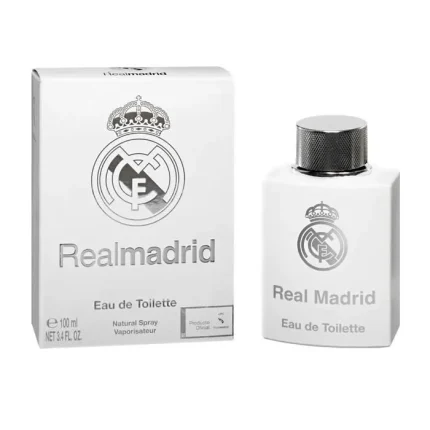
Real Madrid Eau de Toilette Spray 100ml Set 3 Pieces