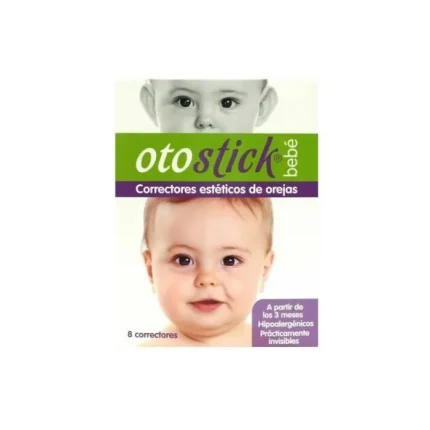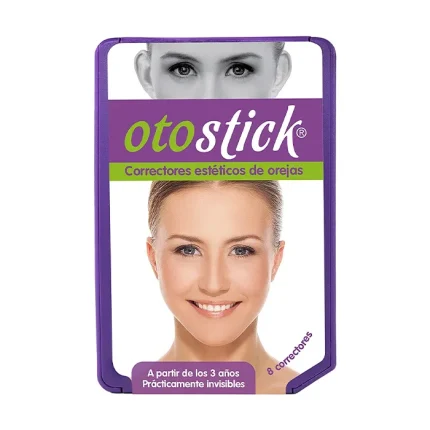
Otostick is a brand of aesthetic ear correctors developed by the Spanish company Innovaciones Disras, S.L.. The product was founded in 2008 by Francisca Gamero, who created the device to address the protruding ears of her young daughter without resorting to invasive surgery.
Company Profile and History
Parent Company:
Innovaciones Disras, S.L., established in 2008, is dedicated to the research, development, and manufacture of health and dermoaesthetic products.
Headquarters:
The company is based in Don Benito, Badajoz, Spain.
Global Distribution:
Otostick is an internationally patented and registered brand. Its products are sold worldwide through various regional partners, including Zurego Limited in the UK and MoiBella in Australia.
Certifications:
Otostick products are classified as Class I Health Products in Europe by the Spanish Agency for Medicines and Healthcare Products. The company maintains quality and safety standards audited by ISO (ISO 13485:2016).
Product Lines
Otostick offers non-invasive, discrete solutions made from medical-grade silicone and hypoallergenic adhesives designed to hold ears closer to the head.
Otostick (Adult):
Recommended for use from age 3 and up. It provides an immediate aesthetic correction and is virtually invisible due to its transparent silicone design.
Otostick Baby:
Specifically designed for babies and children from 3 months to 6 years old. It helps the cartilage develop in the proper position by preventing ears from bending during sleep or movement.
Accessories:
The Otostick Cap is a reusable elasticated mesh cap provided with Otostick Baby kits to prevent infants from touching or accidentally removing the correctors.
Key Product Features
Duration:
Each corrector is disposable and typically remains in place for 3 to 7 days.
Resistance:
Once properly applied and allowed to set for 4 hours, the correctors are resistant to water, sweat, and heat, making them suitable for bathing, swimming, and sports.
Effectiveness:
While primarily a cosmetic solution for adults, clinical studies have shown that continuous use in children between 3 months and 6 years can lead to a permanent corrective effect in over 90% of cases after approximately 12 months.
Showing all 2 resultsSorted by popularity