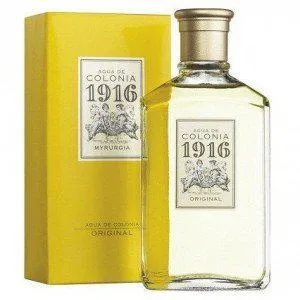

MYRURGIA
Company Overview
MYRURGIA is a renowned fragrance and cosmetics company that has been instrumental in shaping the history and evolution of the perfume industry. Established in Spain, MYRURGIA is recognized for its artisanal approach to fragrance creation, blending traditional craftsmanship with modern innovation to deliver high-quality products that evoke emotions and memories.
History
Founded in the early 20th century, MYRURGIA started as a small perfumery and gradually evolved into a well-known brand both in Spain and internationally. The brand gained prominence for its unique scents and commitment to quality. Over the decades, MYRURGIA expanded its product range and global footprint, adapting to market changes while remaining true to its roots in fine fragrance creation. The company has a rich heritage, reflected in its dedication to craftsmanship and artistry in perfumery.
Product Range
MYRURGIA offers an extensive range of products, including perfumes for men and women, home fragrance products, and cosmetics. Each fragrance is carefully formulated to captivate the senses and often features traditional Spanish ingredients. The brand combines classic and contemporary styles to cater to a diverse clientele, ensuring that there is something for everyone in their product line.
Innovation and Technology
MYRURGIA is at the forefront of fragrance innovation, employing advanced techniques and technologies to develop its products. The company invests in research and development to explore new scent profiles and improve the longevity and performance of its fragrances. Continuous innovation is a hallmark of the brand, allowing it to remain competitive in the fast-paced beauty and fragrance markets.
Market Presence
With a strong presence in both local and international markets, MYRURGIA has established itself as a key player in the fragrance and cosmetics industry. The brand’s products are available in various retail outlets, online platforms, and select luxury boutiques, making them accessible to a wide audience. MYRURGIA has cultivated a loyal customer base, thanks to its commitment to quality and innovative products.
Commitment
MYRURGIA is dedicated to providing exceptional products that create a lasting impression. The brand values customer satisfaction and focuses on creating fragrances that resonate with users on a personal level. MYRURGIA’s commitment to quality is evident in every facet of its operations, from the sourcing of raw materials to the final product delivered to consumers.
Sustainability Efforts
In recent years, MYRURGIA has prioritized sustainability and environmental responsibility. The company strives to minimize its ecological footprint by adopting eco-friendly practices in production and packaging. This includes using sustainable materials, reducing waste, and sourcing ingredients ethically. MYRURGIA is committed to creating a greener future while maintaining the integrity and quality of its products.
Conclusion
MYRURGIA stands as a testament to the art and science of perfumery, marrying tradition with innovation. With a rich history, diverse product range, and a commitment to sustainability, MYRURGIA continues to enchant customers around the world. As the company moves forward, it remains dedicated to crafting extraordinary fragrances that tell stories and evoke emotions, ensuring its place as a distinguished leader in the fragrance industry.
Showing all 3 results