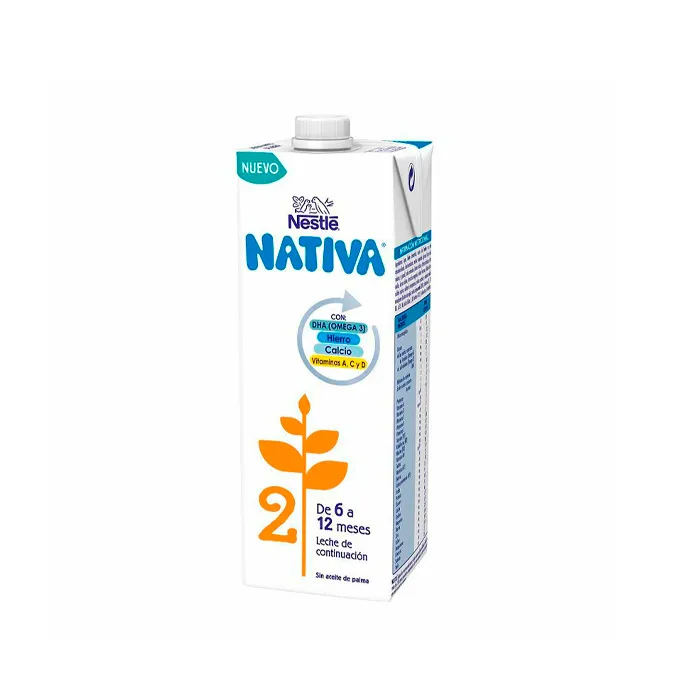

Native 2 Liquid 6-12m 6x1L
€ 5,55 incl. VAT
20 in stock
Native 2 Liquid 6-12m 6x1L
Native 2 Liquid 6-12m is a premium, scientifically formulated liquid fertilizer designed to promote healthy growth in plants between the ages of 6 to 12 months. This nutrient-rich solution provides essential nutrients to enhance growth, vigor, and overall plant health.
Key Benefits
- Formulated specifically for plants aged 6 to 12 months, ensuring optimal nutrient delivery.
- Promotes robust root development and overall plant vitality.
- Enhances resistance to diseases and environmental stresses.
- Easy to use liquid form, compatible with various watering methods.
- Environmentally friendly and safe for use around pets and children.
How to Use
For best results, dilute one part of Native 2 Liquid 6-12m with water according to the recommended dosage. Apply the solution directly to the soil or foliage of your plants every two weeks. Adjust the frequency based on the plant’s growth stage and environmental conditions.
Product Details
- Product Size: 6 x 1 Liter
- EAN: 7613287933218
- Type: Liquid Fertilizer
- Suitable For: Plants aged 6-12 months
- Form: Liquid
NESTLE
Company Overview
Nestlé S.A. is a multinational food and beverage company headquartered in Vevey, Switzerland. Founded in 1866, it is one of the largest food companies in the world, boasting a wide array of products including baby food, bottled water, cereals, chocolate, coffee, dairy, and pet food among others. Nestlé's mission is to enhance the quality of life and contribute to a healthier future, aiming for leadership in the nutrition, health, and wellness sectors.
History
Nestlé's origins can be traced back to the creation of a milk-based infant formula by Henri Nestlé in 1866, which aimed to address high infant mortality rates. In 1905, the merger of the Anglo-Swiss Condensed Milk Company and the Nestlé Company led to the establishment of Nestlé as a prominent player in the market. Over the decades, the company expanded through strategic acquisitions, including brands such as Maggi, Nespresso, and Purina, thus diversifying its product offerings and geographical reach. Today, Nestlé operates in 189 countries, with over 2,000 brands encompassing a broad spectrum of products.
Product Range
Nestlé's extensive product range covers various categories, including:
- Beverages: Coffee (Nespresso, Nescafé), Tea, and Water (Perrier, San Pellegrino).
- Dairy: Milk products (Carnation, Nestea), Yogurt (Yoplait).
- Nutrition and Health: Infant formula (Nan, Cerelac), Weight management products.
- Confectionery: Chocolates (Kit Kat, Smarties), Sweets, and Snacks.
- Pet Care: Food and care products for pets (Purina).
- Frozen Foods: Meals and Snacks (Stouffer’s, Lean Cuisine).
Innovation and Technology
Nestlé is committed to innovation and continuously seeks to improve its products through advancements in food technology. The company invests significantly in research and development, with numerous R&D centers around the globe. Innovations include nutritional improvements, the introduction of new flavors and ingredients, and the development of sustainable packaging options. Notable initiatives include the creation of plant-based and organic products to cater to the growing health-conscious and environmentally aware consumer base.
Market Presence
Nestlé’s market presence is robust, operating in over 190 countries and holding a vast portfolio of popular global and regional brands. The company enjoys a strong competitive position in various markets, especially in Europe, the Americas, and Asia. Through effective marketing strategies and partnerships, Nestlé continues to enhance its brand visibility and consumer engagement, making it one of the most trusted names in the food and beverage industry.
Commitment
Nestlé is dedicated to improving and maintaining high standards of quality and safety in its products. The company adheres to strict guidelines for food safety and quality control, ensuring that every product meets consumer expectations. Its commitment extends beyond products, focusing on nutrition education, healthy lifestyles, and responsible sourcing of ingredients to ensure societal welfare and consumer health.
Sustainability Efforts
With a deep understanding of the importance of sustainability, Nestlé has implemented various initiatives aimed at reducing environmental impact and promoting responsible sourcing. Efforts include reducing greenhouse gas emissions, improving water stewardship, and minimizing waste throughout the supply chain. Nestlé is also committed to achieving 100% recyclable or reusable packaging by 2025, as part of its broader environmental goals. Socially, the company works towards enhancing livelihoods in its sourcing communities to foster sustainable development.
Conclusion
Nestlé's reputation as a leading food and beverage company stems from its commitment to quality, innovation, and sustainability. With a diverse product range and a focus on health and wellness, Nestlé continues to adapt to changing market demands while maintaining its core values. As it evolves, the company remains dedicated to enhancing the lives of consumers and contributing positively to the global community.
Declaration of Authenticity
At Rosera, we are committed to offering only 100% authentic and genuine products. All items available on our website are sourced exclusively from trusted European suppliers and represent original brand merchandise.
Each product we sell carries a valid European Article Number (EAN), which serves as a unique identifier confirming its authenticity and traceability within the European market.
We stand firmly against counterfeit goods and guarantee that every item you purchase from us is brand new, original, and fully compliant with European quality standards.
If you have any questions about product authenticity or sourcing, please don't hesitate to contact our customer support team.
Related products